When you hand off investment management, you're trusting three things: the strategy, the execution, and the people. Here are the people.
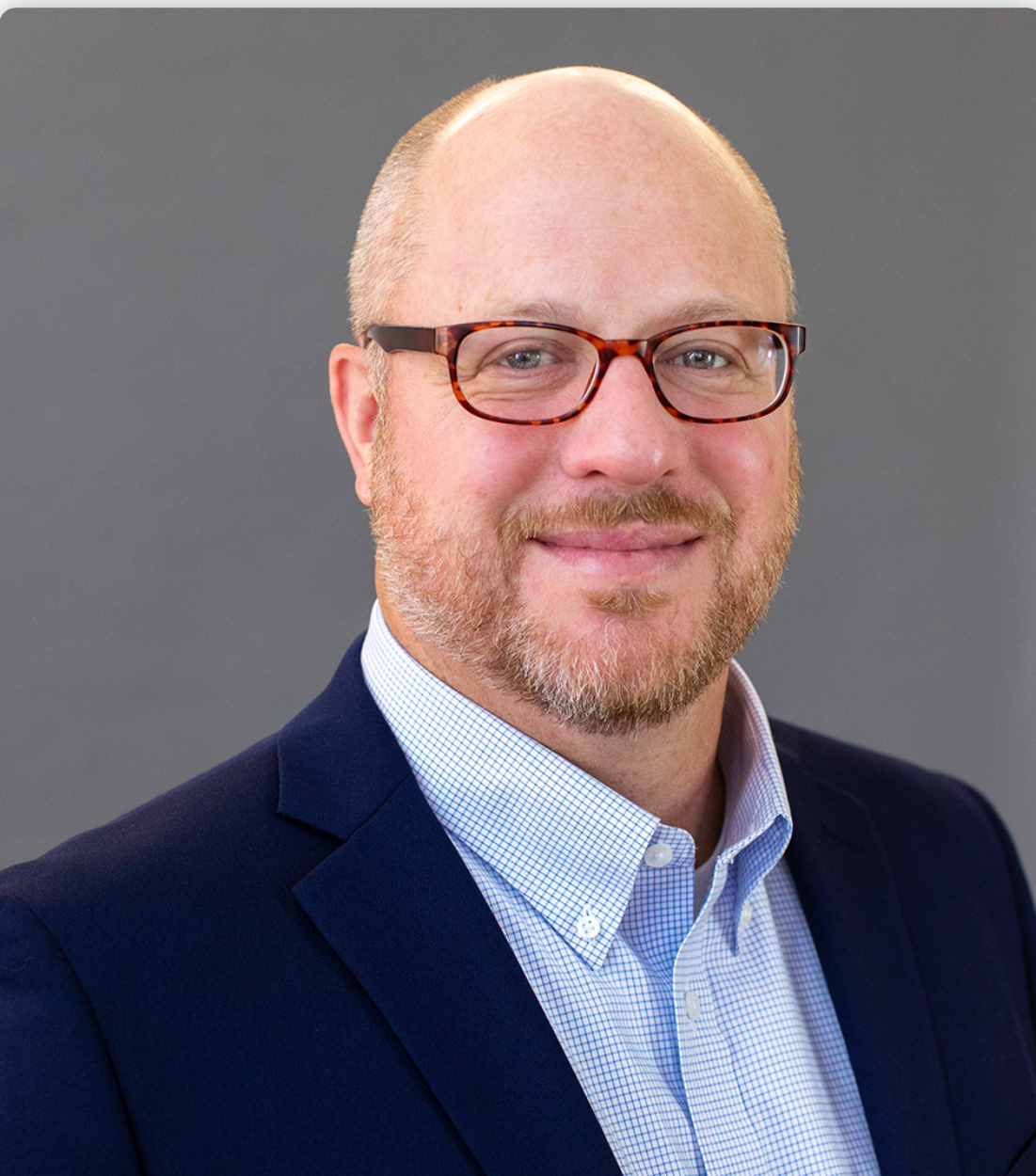
Ryan leads portfolio architecture at QPA -- setting the strategic allocation framework, defining risk budgets, and ensuring every portfolio decision has structure behind it rather than intuition.
His 25 years in institutional investment management span SKY Harbor Capital Management, GE Asset Management, Deutsche Bank, and Barclays Capital. Across those roles, he's managed assets for institutional clients, private wealth platforms, and family offices -- developing the discipline to build strategies designed to hold up across market cycles, not just favorable ones.
Ryan's approach is grounded in two principles: a client's trust has to be earned, and every solution should be designed around the client's best interests. Those principles were shaped early -- watching his father conduct business with integrity, and running his own company through college. They carry into how he structures portfolios today.
He holds a B.A. in Economics from Brigham Young University and is a CFA charterholder. Away from the desk, Ryan spends time with his family and plays tennis on courts around the world.
Steve leads quantitative research at QPA. He develops and validates the systematic models that drive our strategies, oversees signal integrity, and maintains the research discipline that separates rigorous quantitative work from black-box systems.
His career in quantitative finance spans more than two decades at firms that built modern systematic investing -- AQR, Two Sigma, the Abu Dhabi Investment Authority, and Interactive Brokers. Across those roles, Steve has led data and automation engineering work that underpins some of the largest systematic investment operations in the world.
Before quant, Steve led engineering at Oven, a New York e-commerce firm where he built the team behind the first e-commerce site for Microsoft and early work for Tiffany & Co., MoMA, and IBM. He then spent several years as VP of Software Development at Netomat, an early platform for multimedia authoring and social sharing.
He approaches investing the way a physicist approaches a research problem: data first, structure second, emotion nowhere.
Steve holds an A.B. in Physics (cum laude) from Columbia University and completed graduate studies in mathematical physics at the Center for Relativity at the University of Texas at Austin, working under Cécile DeWitt-Morette on pin groups. Outside of work, Steve spends time with his family, walks on the beach in Clearwater, Florida, and makes art.
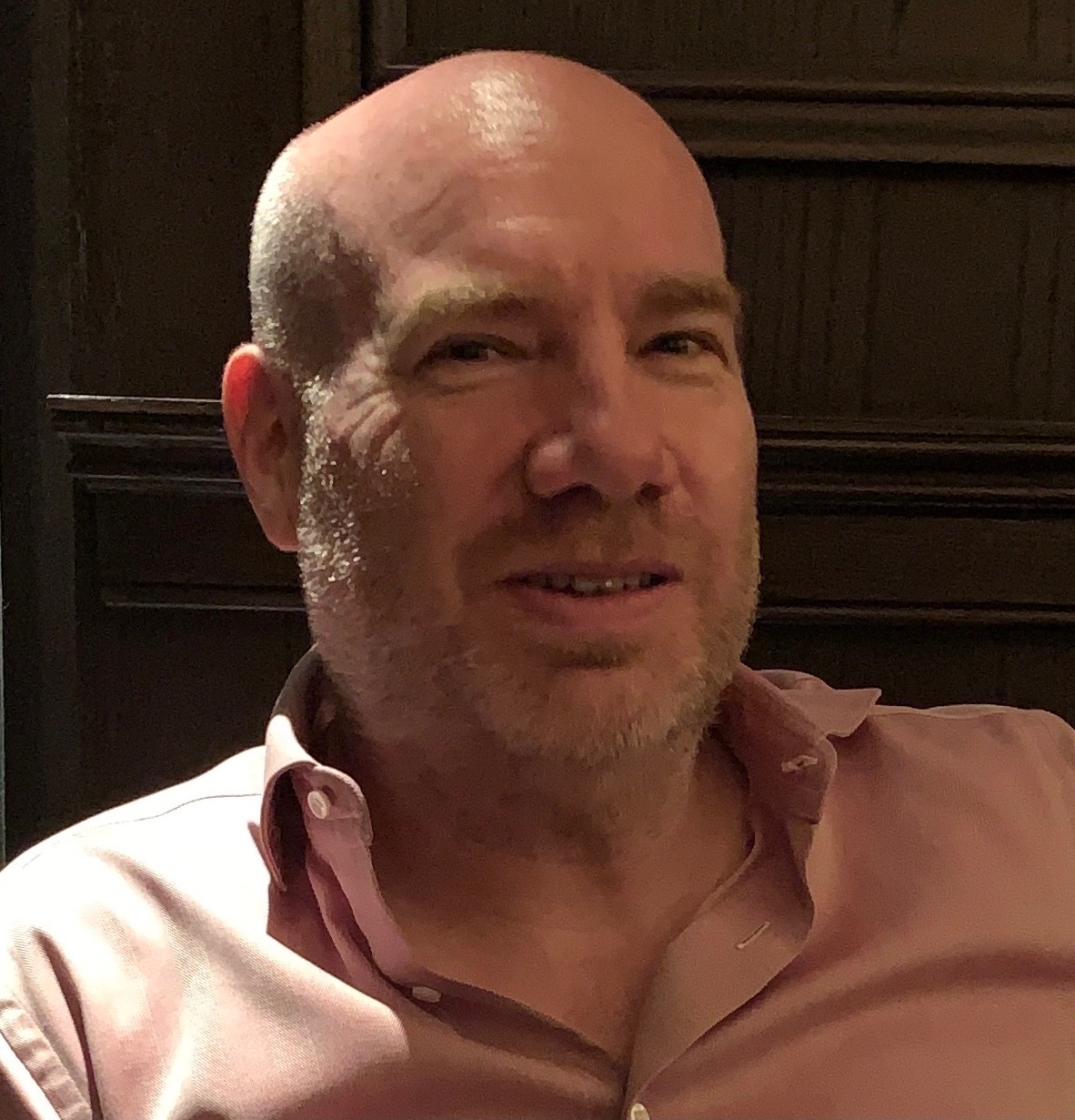
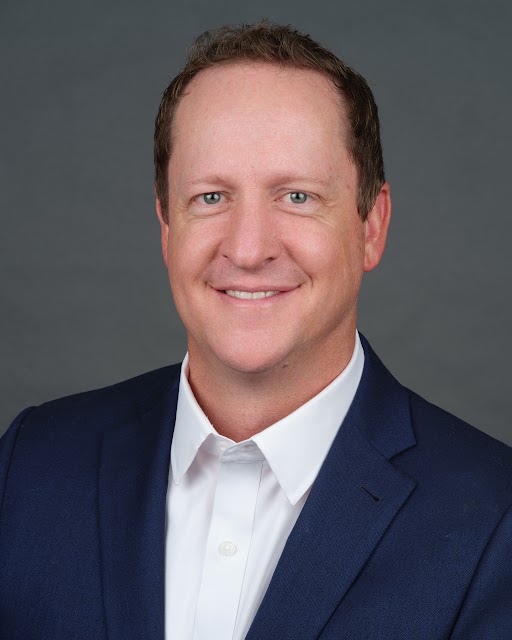
John bridges the gap between investment strategy and real client life. He makes sure the committee's work fits the tax situations, planning objectives, estate structures, and specific constraints each advisor brings to the table.
His 20 years of experience span Salt Wealth Partners, Eide Bailly (a Top 20 CPA firm where he helped build the wealth management practice across the Mountain West), and Merrill Lynch. That combination -- Wall Street, Big Four-adjacent tax, and independent wealth -- is unusual, and it's what lets him speak fluently to advisors about both the investment side and the planning side of the relationship.
"For most of our clients, we manage their entire livelihood. That's a weight I feel every day. It's kept me up at night -- though hopefully, that's what helps our clients sleep."
He holds a B.A. in Economics from Brigham Young University.
An investment committee isn't a signoff ritual. It's a working body that stress-tests decisions before they reach client portfolios.
Ryan brings allocation decisions and risk observations. Steve brings model outputs, signal reviews, and research updates. John brings the advisor and client context that keeps the work grounded. Decisions are documented. Changes to strategy are traceable.
The next step is a conversation -- thirty minutes, no pressure, just an honest look at whether the fit is right for your practice.